
Research presented in the program
The texts are the foundation. The research spotlights show what is being argued about them now: each unit presents the published work of a leading scholar and links to the original paper or reference article.
The scientists named here are not contributors to the AP Masterclass, are not affiliated with it, and have not endorsed it. The program presents and explains their published research, with references to the original papers.
Research spotlights
W. Brent Seales
Digital restoration of damaged manuscripts; reading the Herculaneum papyri
Gábor Betegh
Presocratic philosophy, early Greek cosmology, and the Derveni papyrus
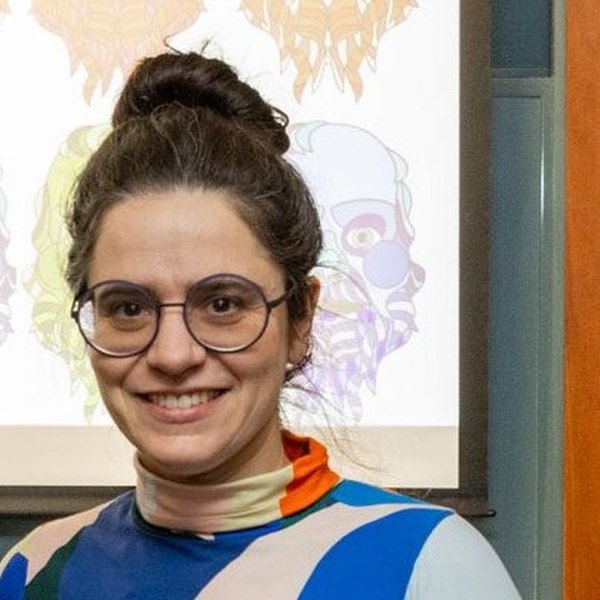
Agnes Callard
Ancient ethics, Socratic method, and the philosophy of aspiration
David Sedley
Plato, Hellenistic philosophy, and the transmission of ancient philosophical texts
James G. Lennox
Aristotle's natural philosophy and the philosophy of biology
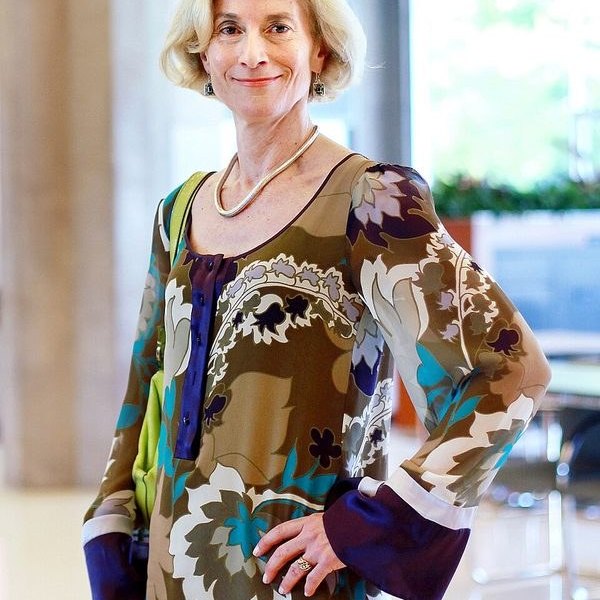
Martha C. Nussbaum
Ancient ethics, the emotions, and the Hellenistic schools as therapy
Katja Maria Vogt
Ancient scepticism, Stoic and Platonic ethics, and theories of belief
Edward J. Watts
Late antiquity, the philosophical schools, and the end of the ancient world
Barbara M. Sattler
Ancient natural philosophy, Zeno's paradoxes, and the concepts of space, time, and motion
Marko Malink
Aristotle's logic and the history of ancient logic
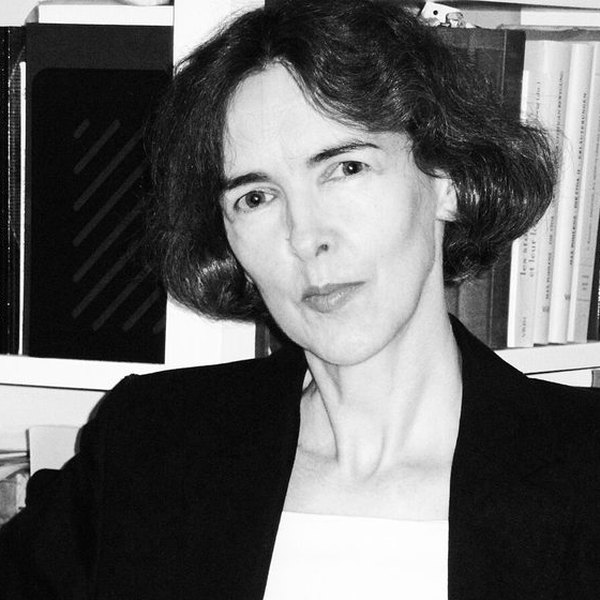
Susanne Bobzien
Stoic logic, ancient theories of determinism and freedom, and the history of logic
Paul Kalligas
Plotinus, the Enneads, and the Platonic tradition
Signe Cohen
The Upanishads, Vedic religion, and the history of Sanskrit texts
Jan Westerhoff
Buddhist philosophy, Nagarjuna, and the metaphysics of Madhyamaka
Bryan W. Van Norden
Classical Chinese philosophy, Confucian ethics, and comparative philosophy
Chris Fraser
Classical Chinese philosophy, the Zhuangzi, and the Mohists
Science is something people do
A formula can look as if it had always been there. The spotlights show that the questions are open, that the methods of each unit are in use today, and who is using them. For every unit you also receive a reading list with further papers that are free to read.