
AP Masterclass Blog
Explanations, background, and advice for curious students.
Latest articles
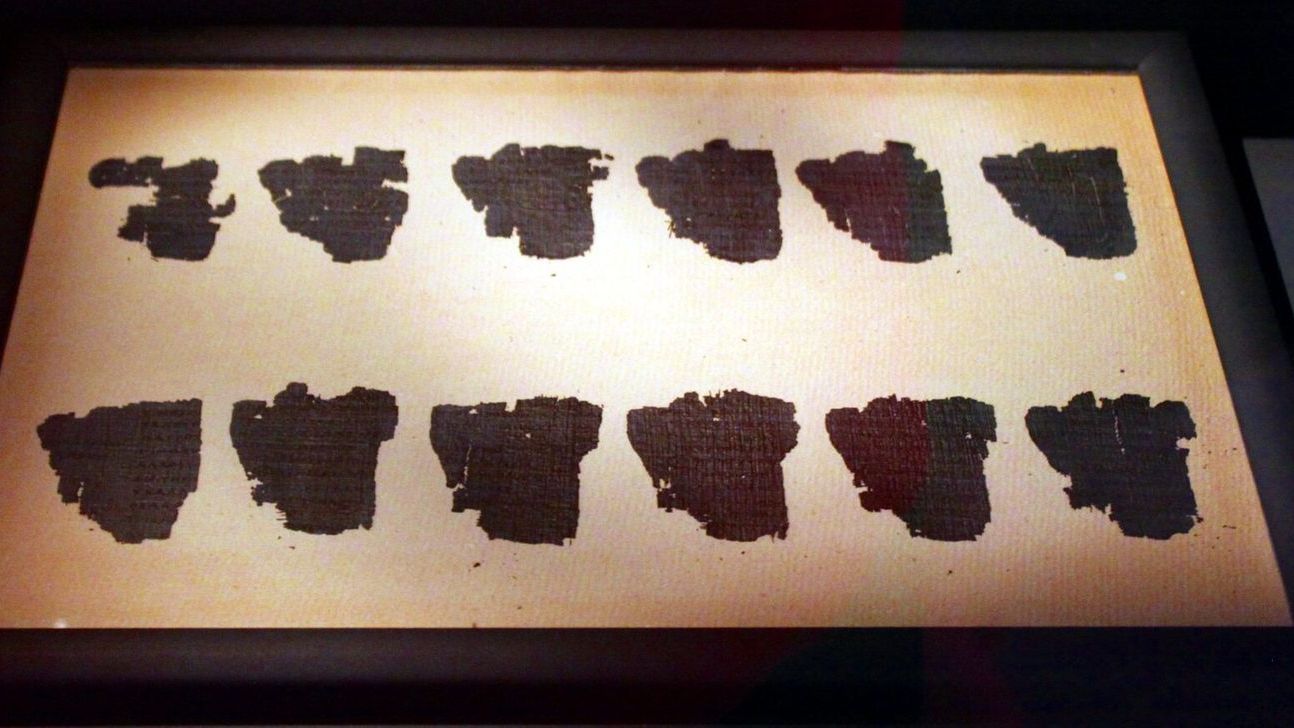
The Derveni papyrus, the oldest surviving book in Europe
In 1962 road builders near Thessaloniki found a half-burnt papyrus roll among the ashes of a funeral pyre. It is the oldest European manuscript, a commentary on a poem about the origin of the gods, and it quotes Heraclitus.
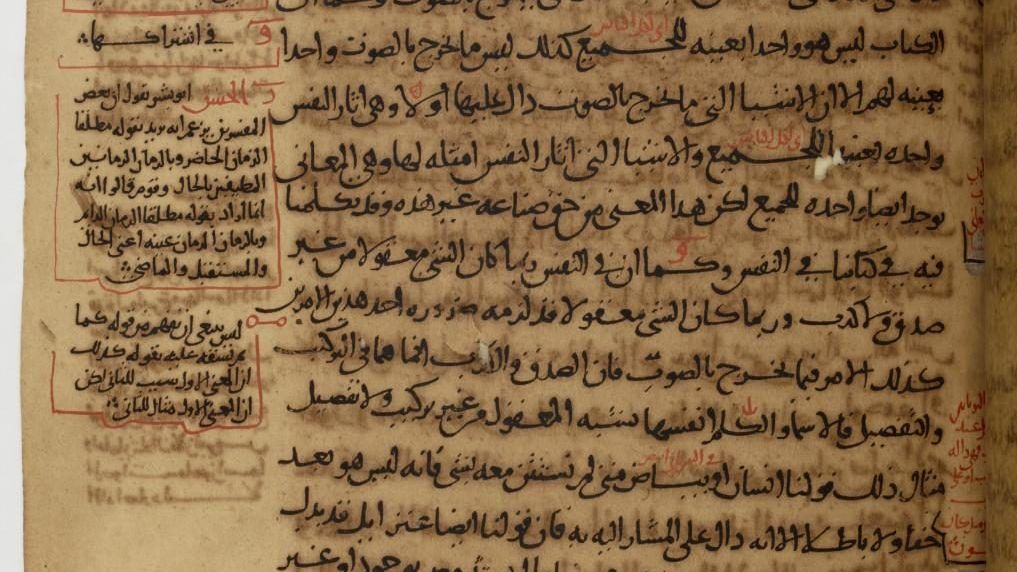
How Aristotle got to Baghdad: the Arabic translations
For three centuries the best readers of Aristotle wrote in Arabic. How his works travelled from Athens through Syriac into Arabic, who paid for it, and how they came back to Europe through Toledo.
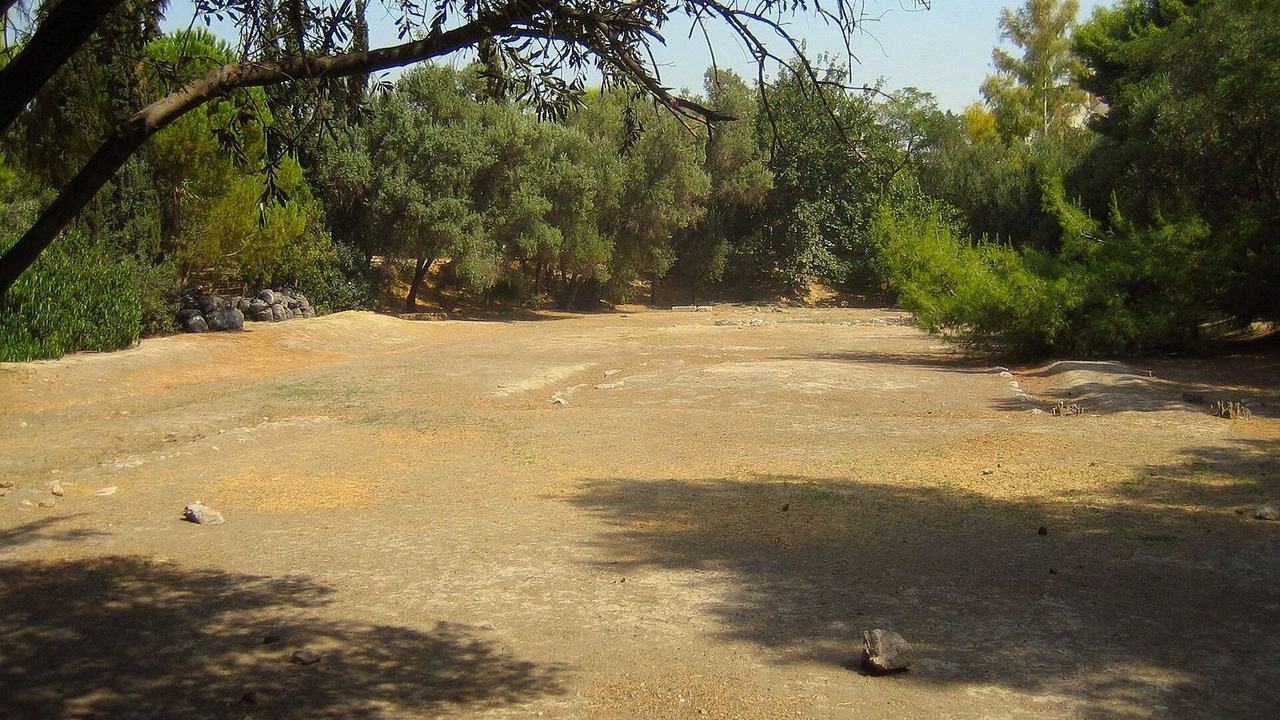
Was Plato's Academy closed in AD 529?
Histories of philosophy end antiquity with Justinian closing the Academy in 529. One sentence in a Byzantine chronicle is the whole evidence, and the school it describes was not Plato's. What actually happened in Athens, and where the philosophers went.
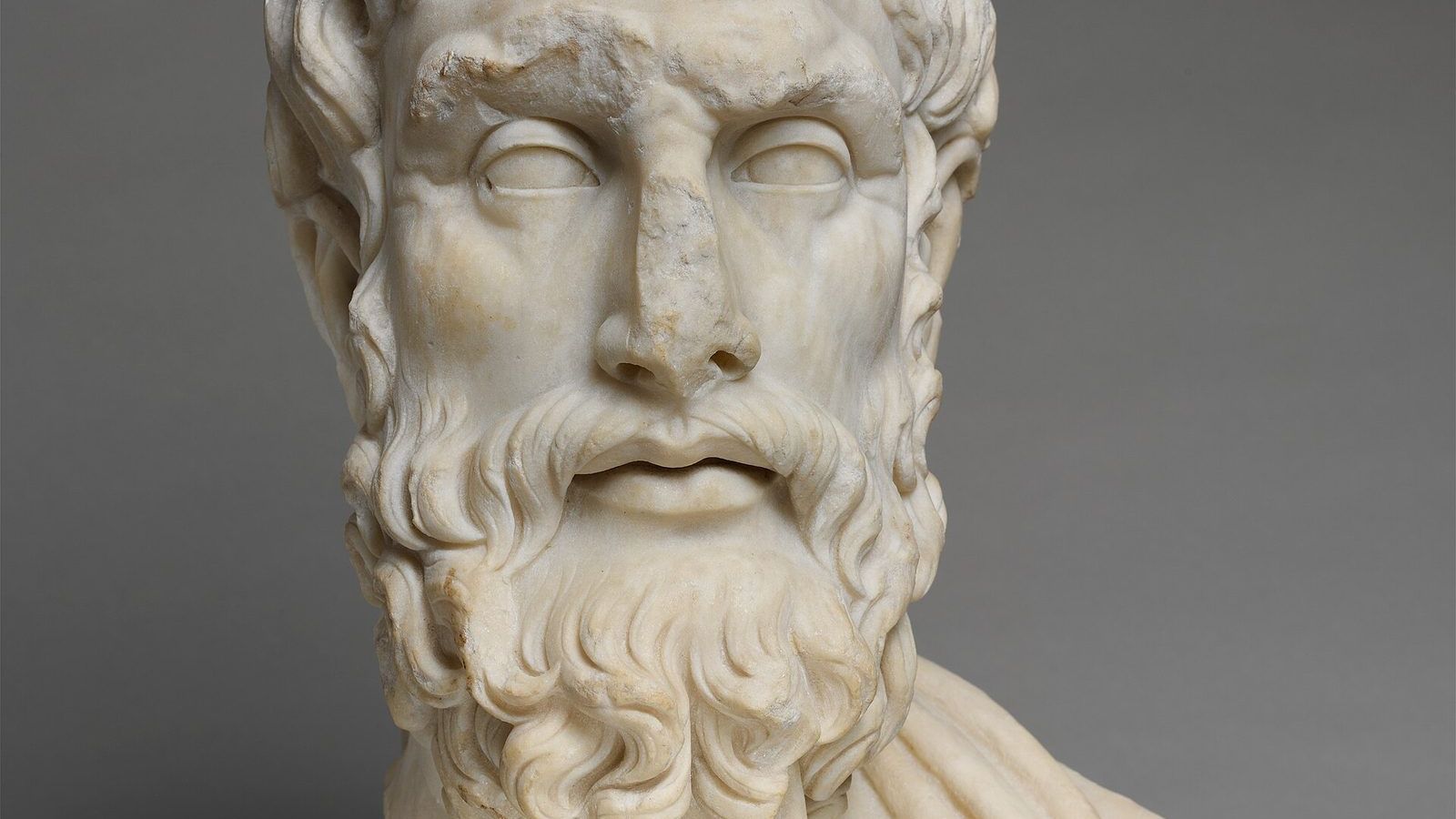
What did Epicurus mean by pleasure?
The word epicure means someone devoted to fine food. Epicurus lived on bread, water, and the occasional pot of cheese, and he argued that pleasure has a limit beyond which nothing can be added. His theory is stranger and more careful than its reputation.
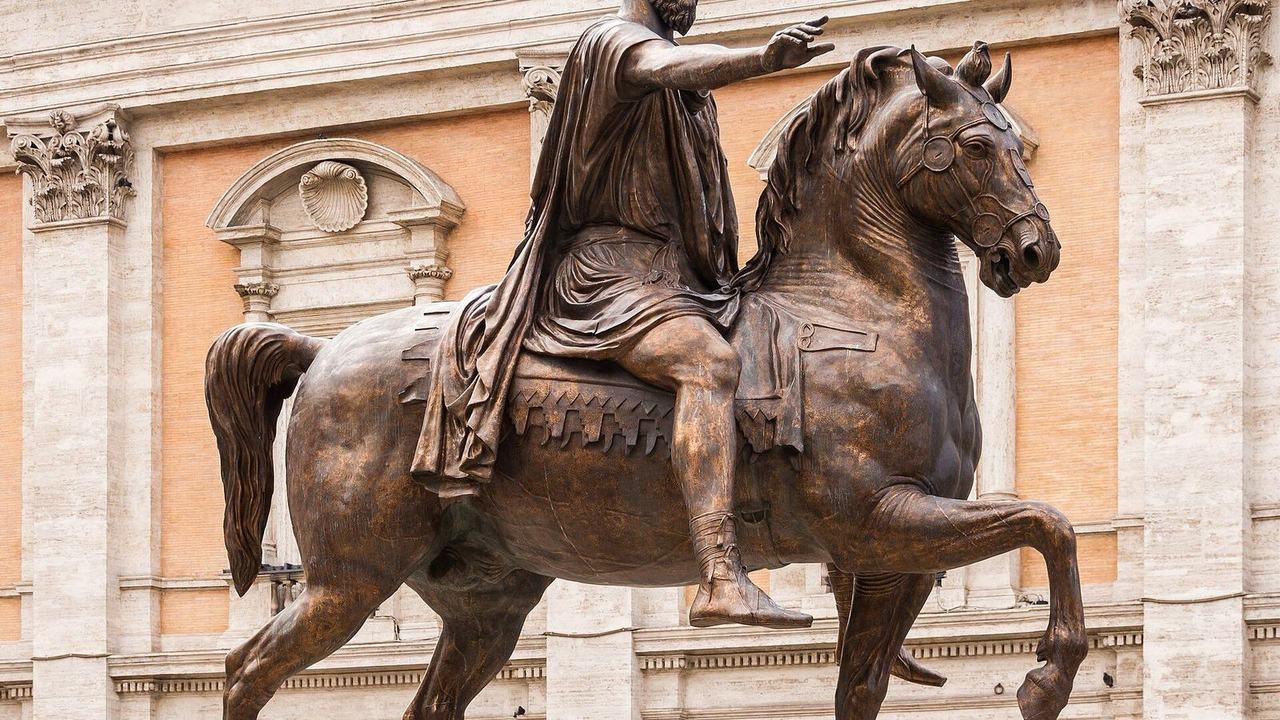
What Marcus Aurelius meant: how to read the Meditations
The Meditations were not written for you. They were a Roman emperor's private notes to himself, in Greek, kept in army camps on the Danube. Reading them as what they are makes the famous lines clearer, not duller.
Who was Epictetus? The Stoic who was born a slave
His name means acquired. He was owned by a freedman of Nero, taught in a provincial town, wrote nothing down, and was read by an emperor. What we know about Epictetus and where it comes from.
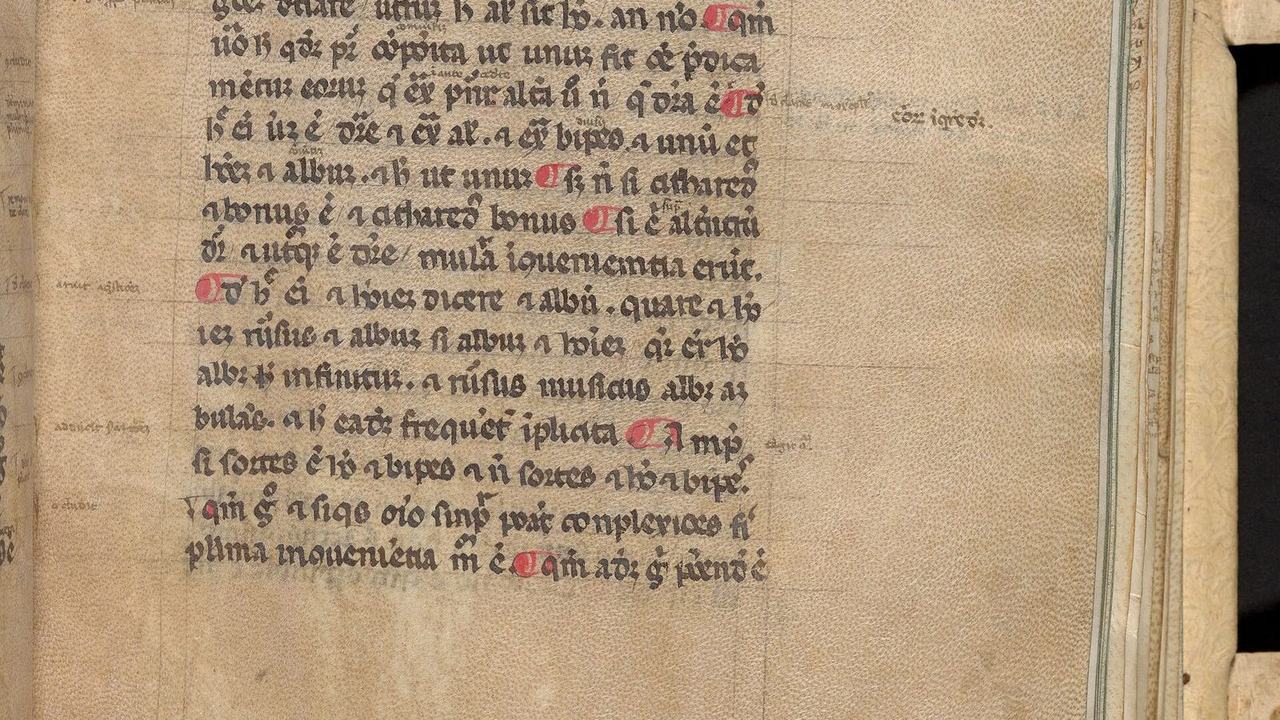
Barbara, Celarent, Darii, Ferio: the names of the syllogisms
Medieval students memorized Aristotle's valid syllogisms as a string of invented names. The vowels tell you the form of each premise and the conclusion, and the consonants tell you how to prove it. Here is how to read them.
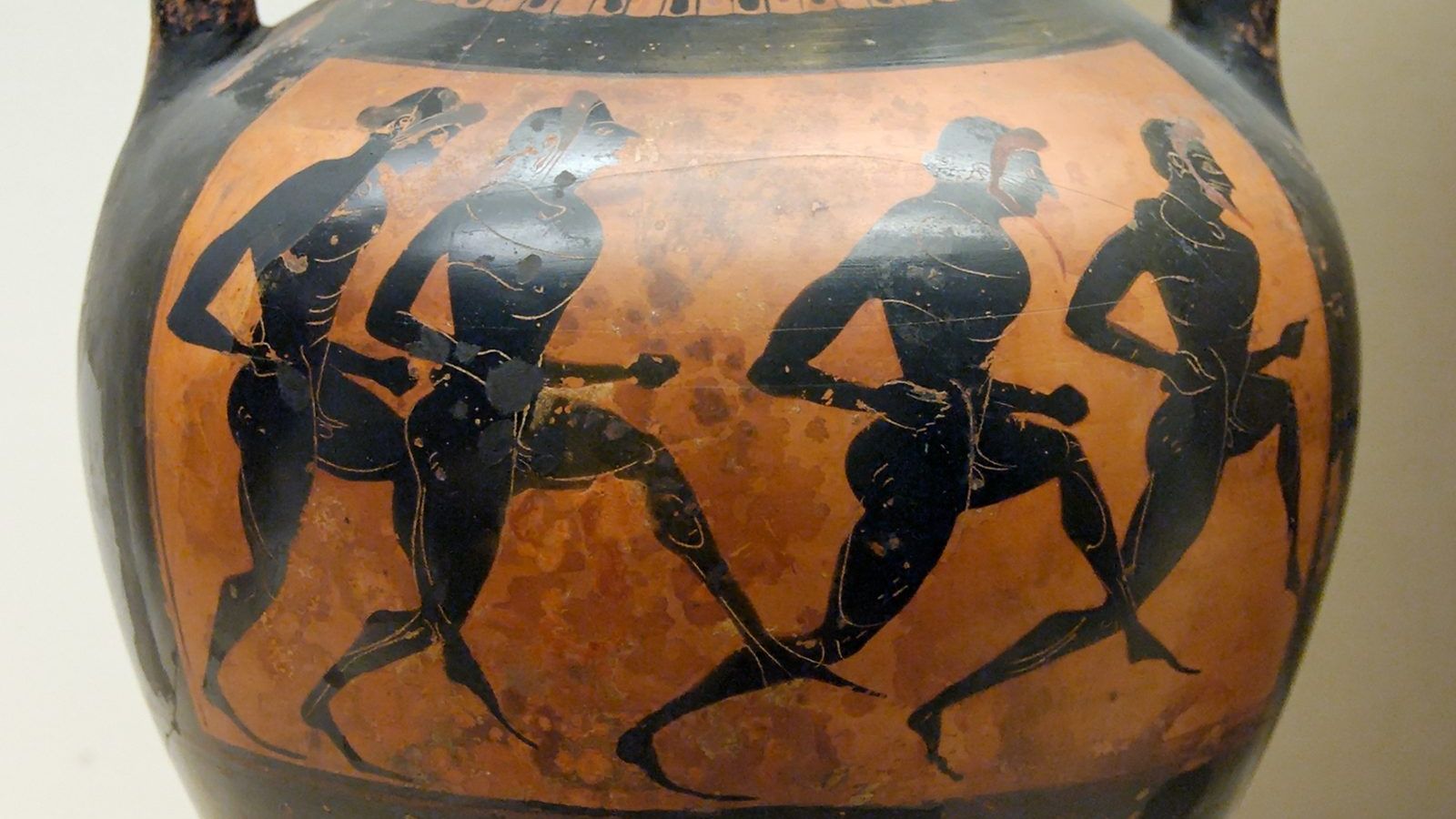
Zeno's paradox explained: how Achilles catches the tortoise
The sum of the series tells you exactly where Achilles overtakes the tortoise. It does not tell you how he completes infinitely many steps. Both halves of that sentence are true, and the second is where the philosophy begins.
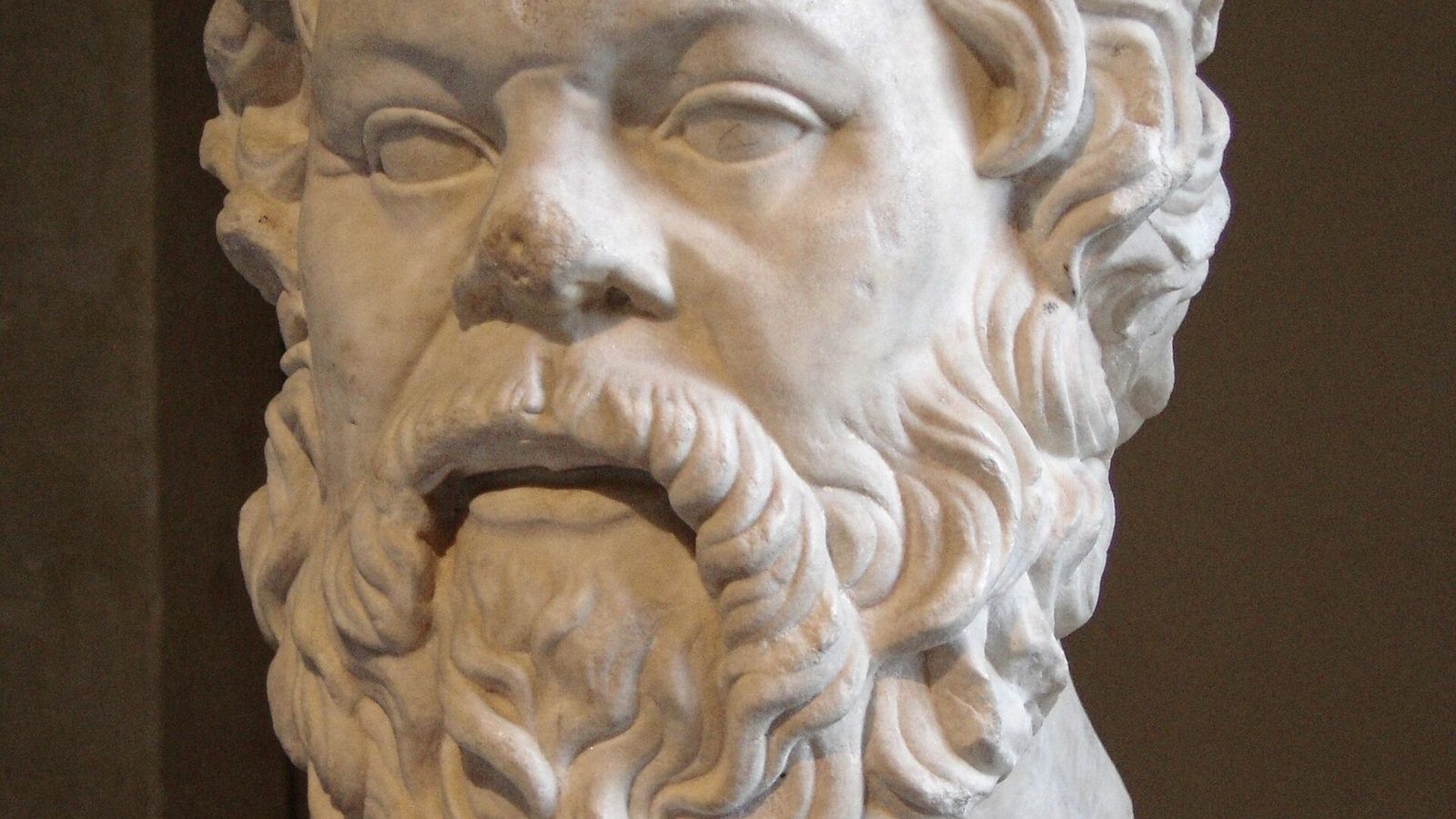
Did Socrates say I know that I know nothing?
The most quoted sentence of Socrates is not in Plato. What the Apology says at 21d is more careful, more interesting, and not a contradiction.